
Therapeutic Interventions and Creative Therapies
Every child deserves the opportunity to communicate, learn, develop essential life skills and participate in everyday life. Children with disabilities and developmental delays often benefit from specialised therapeutic interventions that support their physical, cognitive, sensory, emotional and communication needs.
Through occupational therapy, speech therapy, art-based activities, puppet therapy and other creative approaches, we work with children and their families to strengthen abilities, encourage self-expression and build greater independence and confidence.
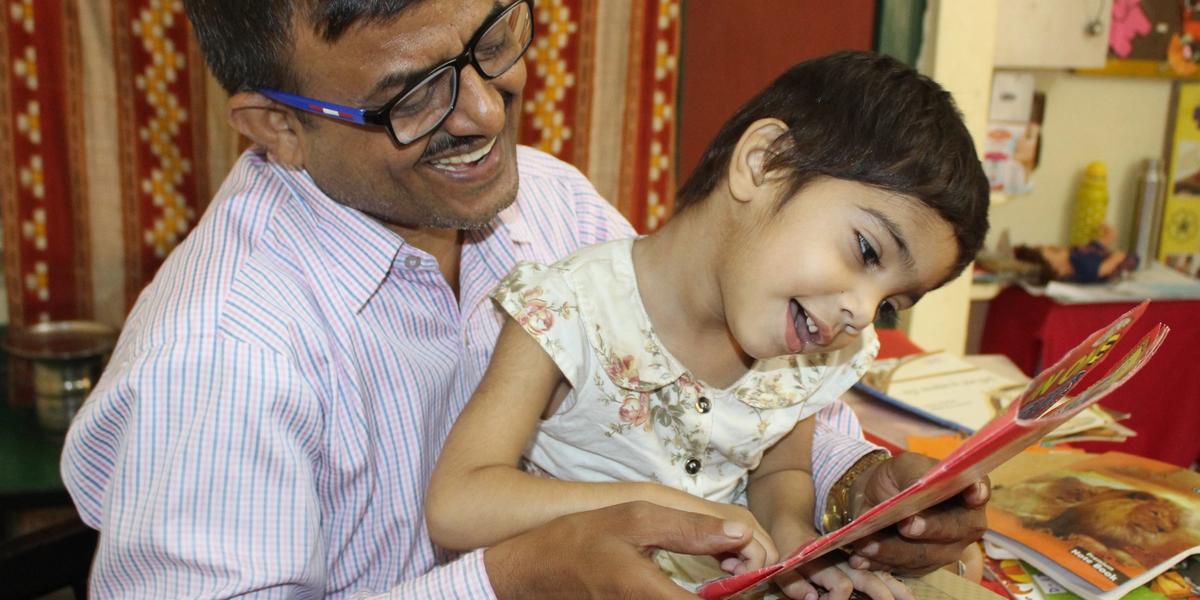
Detailed Overview
1. Occupational Therapy
Occupational therapy plays an important role in helping children with disabilities and developmental delays develop the skills they need for everyday life. It focuses on improving fine and gross motor skills, sensory processing, hand-eye coordination, balance, movement and functional independence.
Through individualised therapy and structured activities, children are supported in developing practical skills that help them participate more confidently at home, in school and within their communities. Occupational therapists work with each child's abilities and developmental needs, helping them overcome everyday challenges and achieve greater independence.
2. Speech and Language Therapy
Communication is fundamental to a child's learning, development and social participation. Speech and language therapy supports children who experience difficulties with speech, language, communication and related developmental challenges.
Through tailored activities and consistent intervention, children work on improving speech clarity, language comprehension, vocabulary, expression and social communication. For children who are non-verbal or have significant communication difficulties, therapists can also explore alternative and augmentative communication methods to help them express their needs, thoughts and feelings.
The goal is to give every child opportunities to communicate, connect with others and participate more fully in everyday life.
3. Learning and Expression Through the Arts
Creative activities provide children with meaningful opportunities to explore, express themselves and develop new skills. Art therapy, puppet-based activities, music, movement and other creative approaches can encourage communication, imagination, emotional expression and social interaction.
By integrating creative activities with occupational therapy, speech therapy and behavioural support, children are encouraged to build confidence, improve coordination, develop social skills and discover their individual strengths.
Every child has different abilities, interests and developmental needs. Our approach recognises these differences and focuses on helping each child progress at their own pace. By working closely with children, families, caregivers and therapists, we aim to create supportive learning environments where children with disabilities can develop essential life skills, communicate with confidence and par